If you’re over 50 and applying for jobs, your experience is an advantage—but your resume format might be working against you.

This guide explains:
- The nine most common resume details that can unintentionally date your application.
- Why they matter in today’s hiring environment.
- Exactly how to fix them.
- How to modernize your resume without erasing your career.
The goal isn’t to hide your experience. It’s to present it strategically.
Why resume modernization matters more than ever
Many experienced professionals assume that strong credentials should speak for themselves.
In theory, they should.
In practice, resumes are reviewed quickly—often in seconds. Visual presentation, structure, and wording influence how information is processed.
That doesn’t mean employers are dismissing experience. It means expectations around resume style have evolved.
A resume written in 2005 won’t perform the same way in 2025.
The most important shift? Resumes are no longer career timelines. They’re marketing documents.
Let’s examine what that means in concrete terms.
1. Listing graduation dates from decades ago
A graduation year may seem harmless, but it can unintentionally shift attention away from your qualifications.
Why this can work against you
Including graduation years in your education section makes it easy to estimate when you entered the workforce. While that detail may feel harmless, it rarely strengthens your candidacy.
Recruiters are evaluating skills and fit—not when you graduated.
What to do instead
Remove graduation dates unless:
- The degree was completed recently.
- The role requires verification of recent education.
- You’re applying to a field where academic timelines matter.

Education section
Before:
B.A. in Finance, 1987
University of Illinois
After:
B.A. in Finance
University of Illinois
The qualification remains. The unnecessary timestamp disappears.
2. Using an outdated email address
Your email address is a small detail, yet it contributes to the overall impression your resume creates.
Why it matters
Small signals influence perception. Email providers associated with early internet adoption can unintentionally suggest that your professional presence hasn’t evolved.
This isn’t about age. It’s about presentation.
What to do instead
Create a simple, clean email address.

Email addresses
Recommended format:
firstname.lastname@gmail.com
Avoid:
john1972@aol.com
financeguru1965@hotmail.com
Professional simplicity wins.
3. Leading with ‘30+ years of experience’
Highlighting decades of experience sounds impressive—but it can distract from the results that matter most.
Why this is risky
Decades of experience are impressive. However, leading with longevity can shift focus away from relevance.
Hiring managers are asking:
- What problems can this candidate solve today?
- What measurable impact have they delivered recently?
Years alone don’t answer those questions.
What to do instead
Lead with a results-driven professional profile.
30+ years of experience
Before:
“Professional with 32 years of experience in operations management seeking new opportunities.”
After:
“Operations leader who reduced operational costs by 18%, streamlined multi-site logistics, and led cross-functional teams of up to 40 employees.”
The second version highlights capability, not chronology.
4. Listing every role since the 1980s
Including your entire career history may feel thorough, but it often reduces clarity and focus.
Why this hurts readability
- A four-page resume filled with early-career roles signals outdated expectations.
- Recruiters typically focus on the most recent 10–15 years of relevant experience.
- Older roles often add volume, not value.
What to do instead
Focus on relevance.
Option A: Include detailed bullet points for recent roles and summarize earlier positions.
Option B: Create an “Additional Experience” section.
Listing a role from the 80s
Additional Experience
Earlier roles in accounting and financial analysis available upon request.
This keeps your resume focused and strategic.
5. Using an objective statement
Objective statements were once standard, but today they often signal outdated resume practices.
Why objective statements feel dated
Objective statements were once standard. Today, they often:
- Focus on what the candidate wants
- Sound generic
- Take up valuable space
Hiring managers are more interested in what you offer.
What to do instead
Replace the objective with a resume summary.
Replacing an objective statement
Before:
Seeking a challenging position where I can utilize my skills and grow professionally.
After:
Senior financial analyst specializing in forecasting, budget optimization, and data-driven cost reduction strategies.
Contribution replaces intention.
Optimize your resume summary and objective for ATS
Drop your resume here or choose a file.
PDF & DOCX only. Max 2MB file size.
6. Describing responsibilities instead of results
Listing duties explains what you did, but metrics demonstrate your value.
The problem with duty-based bullet points
Many experienced professionals were taught to list responsibilities.
For example:
- “Responsible for managing staff and overseeing operations.”
- “This describes a role. It doesn’t demonstrate impact.”
What to do instead
Use measurable outcomes whenever possible.
Work experience bullet points
Before:
Responsible for managing a team of 15 employees.
After:
Led a 15-person team, increasing department productivity by 22% over 12 months.
Metrics modernize your resume instantly.
7. Dense formatting and outdated layouts
Visual structure influences how quickly and clearly your resume is understood.
Why visual structure matters
Resumes with:
- large text blocks
- minimal white space
- inconsistent spacing
- small margins
… are harder to scan quickly.
In today’s hiring environment, clarity improves comprehension.
What to do instead
Use:
- Clear section headings
- Balanced white space
- Modern typography
- Structured bullet points
Design supports readability. It doesn’t distract from substance.
8. Downplaying technical skills
If your technical skills aren’t clearly visible, they may be overlooked.
The hidden assumption
Experienced professionals often possess significant digital expertise—but fail to highlight it clearly.
If technology skills are buried inside job descriptions, they may be overlooked.
What to do instead
Create a visible skills section.
Clear skills section
Technical Skills
- Salesforce CRM
- Microsoft Power BI
- SAP
- Asana
- Google Workspace
- Tableau
Clarity eliminates assumptions.
9. Using overly formal or outdated language
Language that feels overly rigid can unintentionally make your resume sound dated.
Why language signals matter
Phrases like:
- “Herein”
- “Esteemed organization”
- “To whom it may concern”
Sound formal but, most importantly, outdated.
Modern resumes use direct, clear language.
What to do instead
Use concise phrasing focused on impact.
Adapting your language
Instead of:
“Successfully executed responsibilities in a professional manner.”
Use:
“Delivered projects on time and under budget.”
Clarity communicates confidence.
Using a 20-year-old Word template is a dead giveaway
Let’s address the elephant in the room.
If your resume is built on a template you downloaded in 2003—or worse, one that has been copied and pasted forward for decades—it shows.
Common signs include:
- Narrow margins and dense text blocks
- Times New Roman, size 10
- Centered headings with underlines
- Objective statements at the top
- Minimal white space
- No visual hierarchy
Individually, these choices seem minor. Collectively, they create a strong first impression—and not the kind you want.
Hiring expectations have changed.
Today’s resumes prioritize:
- Clean structure
- Clear section separation
- Scannable bullet points
- Balanced spacing
- Strategic emphasis on skills and achievements
A dated template signals something unintentionally:
“I haven’t updated how I present myself.”
And in a competitive market, presentation matters.
What a modern resume looks like today
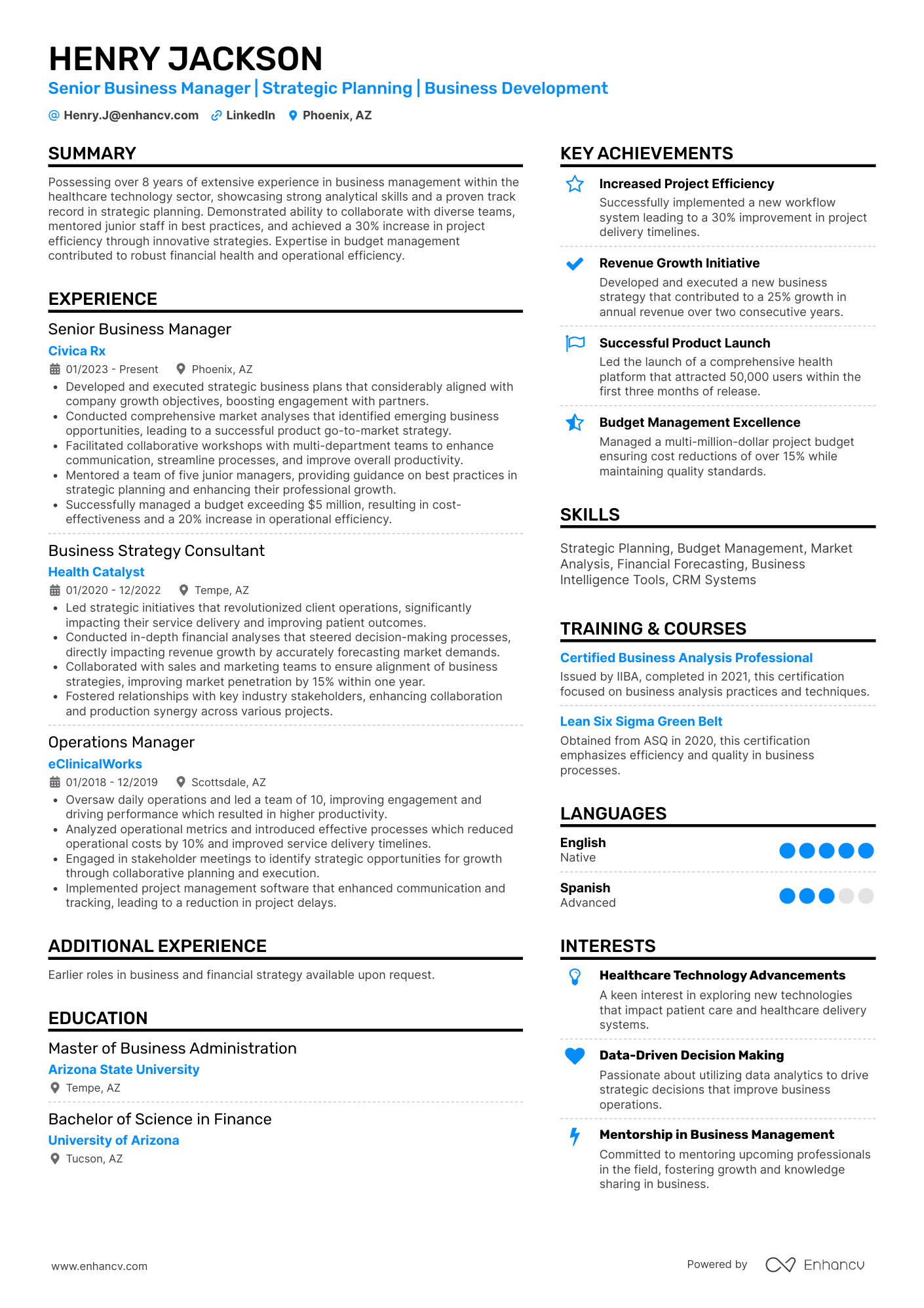
In summary, modern resumes are:
- Results-focused
- Streamlined
- Skills-forward
- Cleanly formatted
- Achievement-driven

PRO TIP
Modern resumes:
- Emphasize relevance over chronology.
- Highlight measurable outcomes.
- Remove unnecessary details.
The most common mistake experienced professionals make:
Many professionals update job titles and responsibilities—but leave formatting unchanged.
Modernization isn’t about reducing your experience. It’s about reframing it for today’s expectations!
Is your resume good enough?
Drop your resume here or choose a file. PDF & DOCX only. Max 2MB file size.
Modernizing your resume without starting from scratch
Rebuilding a resume from an old Word template can feel overwhelming.
You adjust margins. You tweak fonts. You reorganize sections. You try to make it “look modern”—but something still feels off.
That’s because modern resume structure is not just about design. It’s about hierarchy, emphasis, and flow.
Today’s resumes are built to:
- Highlight measurable achievements first
- Surface relevant skills clearly
- Remove unnecessary chronology
- Improve readability in seconds
Starting from a blank document makes that difficult.
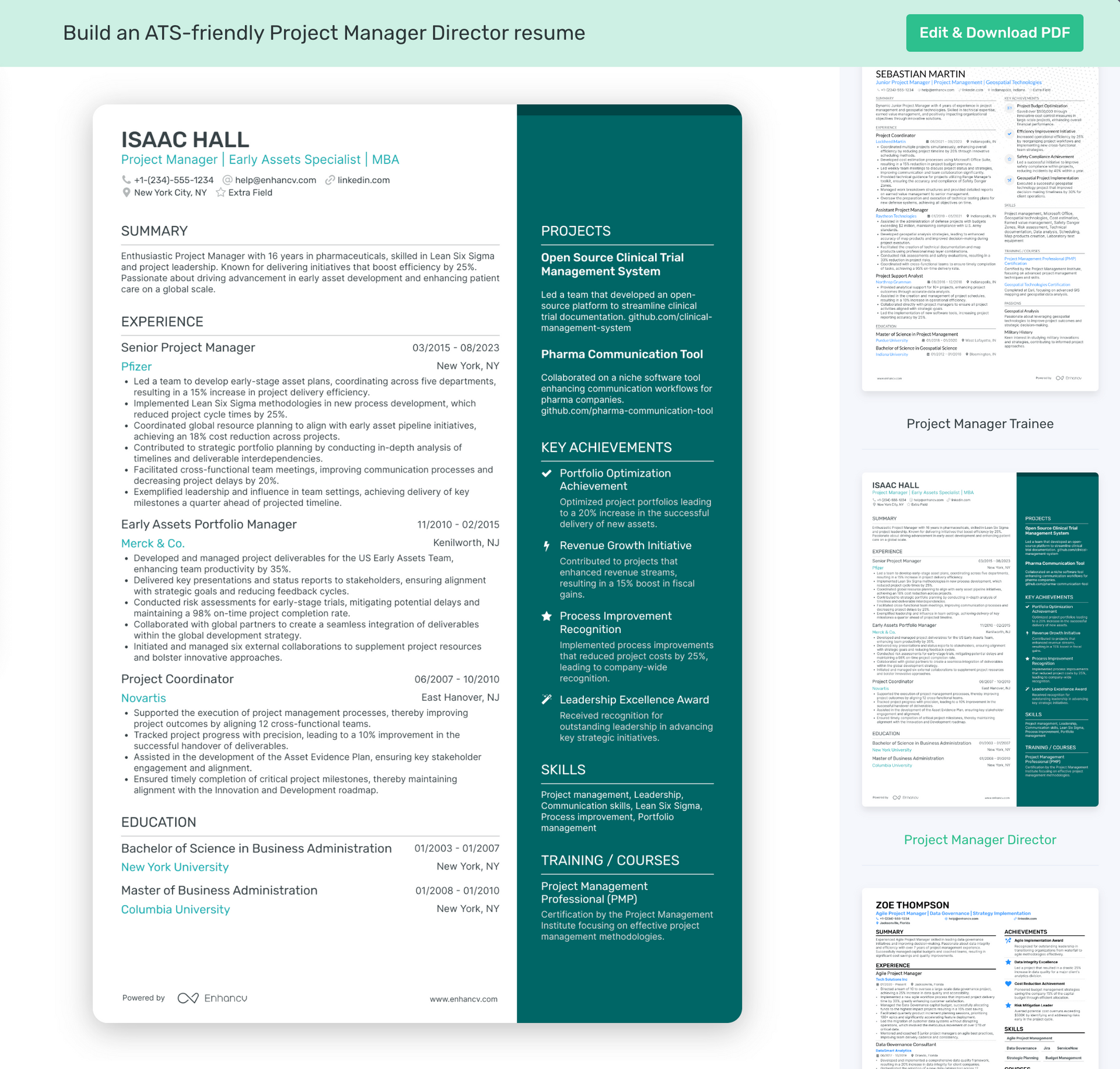
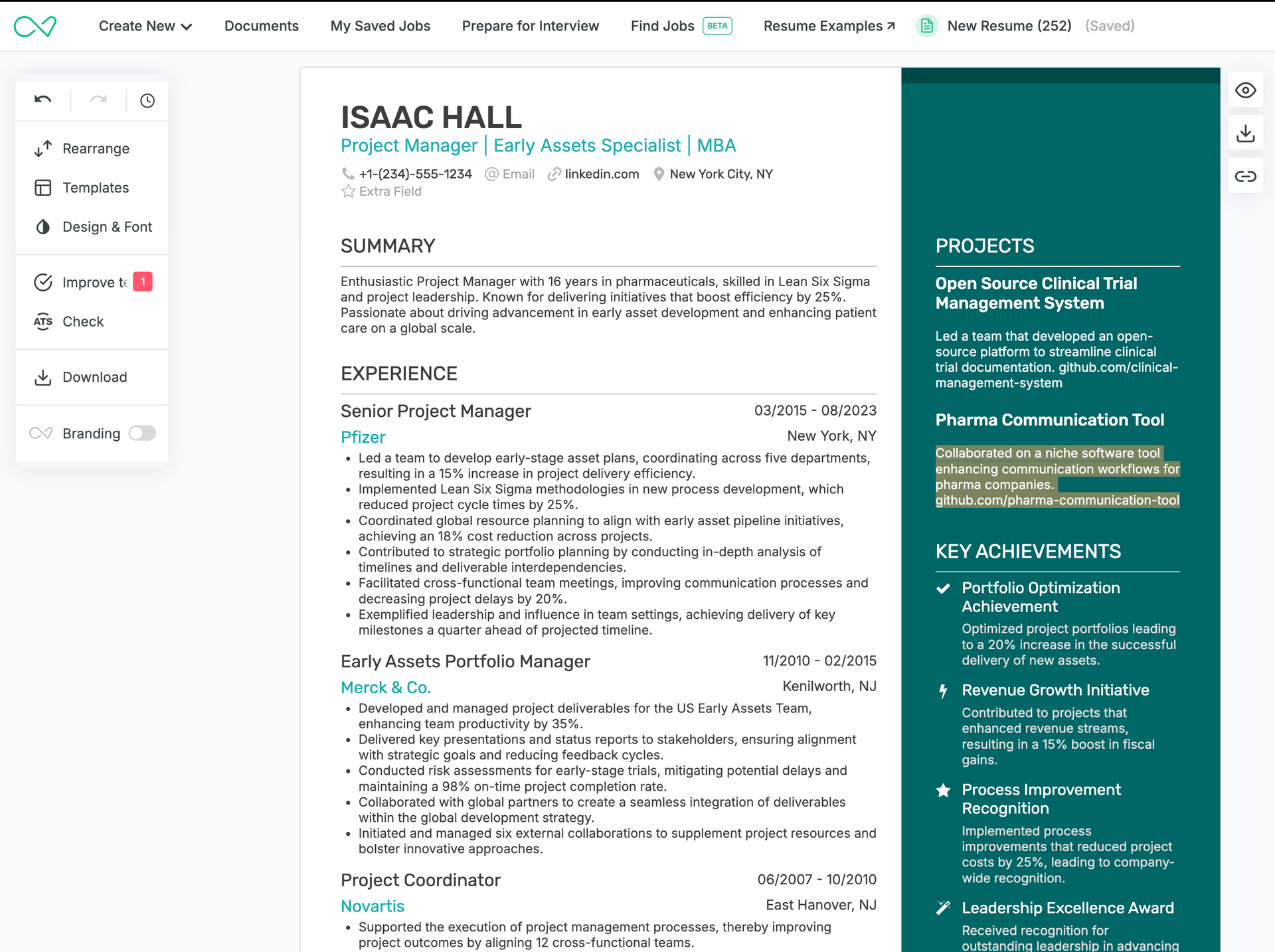
Enhancv was built specifically to solve this problem.
Instead of retrofitting a decades-old template, you begin with a structure designed for today’s hiring expectations.
Enhancv helps you
- Use clean, recruiter-friendly templates
- Organize long careers strategically
- Emphasize impact over tenure
- Showcase technical skills clearly
- Eliminate outdated formatting automatically
It’s not about making your resume flashy.
It’s about making it current, structured, and aligned with how hiring works today.
Your experience is an asset | Your format should reflect that.
For experienced professionals, that shift matters.
Final takeaway
Experience isn’t the issue.
Presentation often is.
If you’re over 50 and job hunting, don’t assume silence means your qualifications are lacking. Review how your resume is structured.
Small changes—removing dates, emphasizing results, modernizing formatting—can significantly improve how your application is received.
Your career story has depth.
Enhancv helps you present it with clarity, confidence, and relevance!
Make one that's truly you.